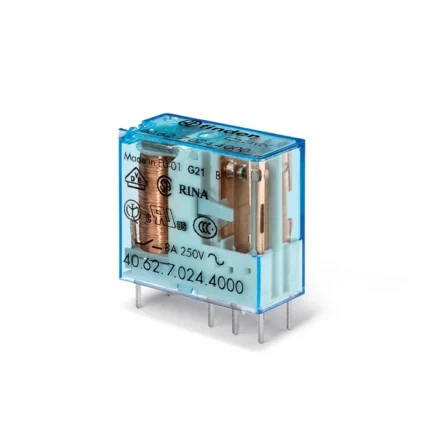



















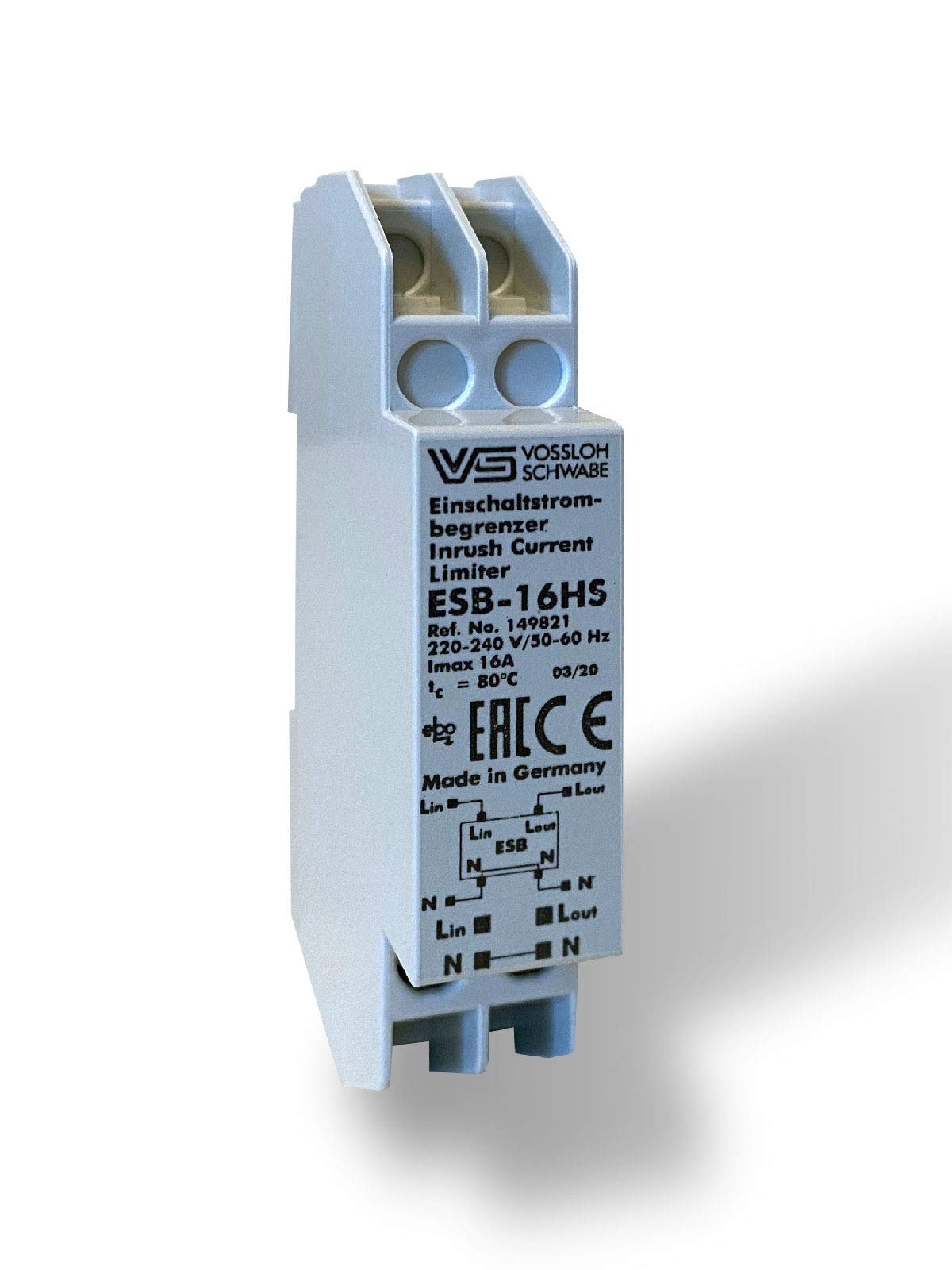
Vossloh Schwabe Inrush Current Limiter-ESB-16HS 220-240V ESB
$122.00
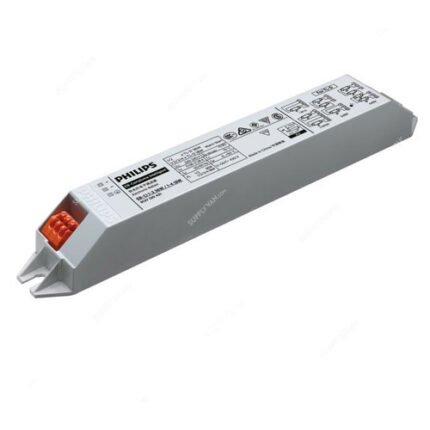
Vossloh Schwabe Inrush Current Limiter
Product Description of Vossloh Schwabe Inrush Current Limiter
The product is designed to control and reduce high inrush currents that occur when LED drivers and electronic lighting systems are switched on. By limiting the initial surge current, it helps protect circuit breakers, relays, and other switching components from unnecessary stress. Therefore, it is an essential solution for commercial and industrial LED lighting installations.
Moreover, operating within a 220–240V supply range, the unit is compatible with standard AC electrical systems commonly used in commercial buildings and industrial facilities. As a result, it ensures smooth integration into existing lighting circuits without requiring complex modifications. In addition, the compact design allows easy installation within control panels or junction boxes.
Reliable Protection Against Power Surges
The Vossloh Schwabe ESB-16HS Inrush Current Limiter enhances system reliability by preventing nuisance tripping caused by high startup currents. Consequently, it allows multiple LED drivers to operate on a single circuit without exceeding breaker limits. Furthermore, it improves the lifespan of switching devices by minimizing electrical stress during power-on cycles.
Because LED drivers typically draw significant inrush current at startup, protective components such as this limiter become crucial in large lighting systems. Additionally, it supports stable system performance and helps maintain compliance with electrical safety standards. Therefore, it is particularly suitable for projects involving high quantities of LED luminaires.
Suitable Applications
Commercial LED lighting systems
Industrial lighting installations
Office buildings and retail spaces
Warehouses and logistics centers
LED driver protection circuits
Overall, the Vossloh Schwabe ESB-16HS Inrush Current Limiter provides effective surge current control, reliable system protection, and seamless 220–240V compatibility. Consequently, it ensures stable and efficient operation of modern LED lighting infrastructures.